Durch Ihren Besuch auf unserer Internetseite werden Daten von Ihnen erhoben. In Bezug auf den Umgang des BIBB mit Ihren Daten und den Zweck der Verarbeitung möchten wir Sie auf unsere Datenschutzerklärung verweisen.
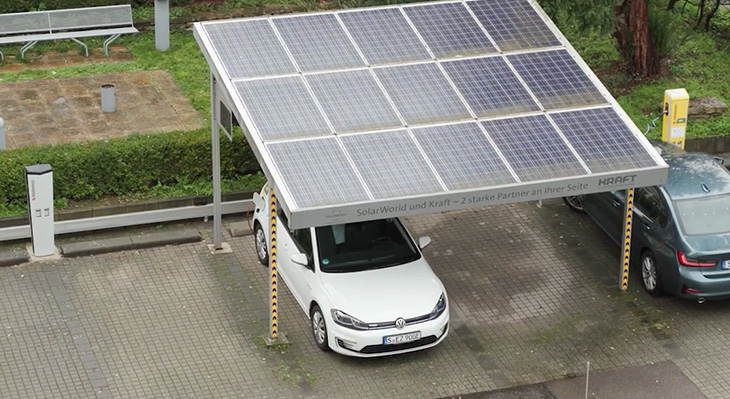
Profi im Thema, mehr Gehalt, neue Aufgaben: Die Fortbildung „Geprüfter Berufsspezialist für Ladeinfrastruktursysteme Elektromobilität“ des InnoVET-Projekts BexElektro zahlt sich für die Absolventen aus – das zeigt die Evaluation. Und um im Job voranzukommen, gibt es mehr als Meister und Studium.
Die Fachtagung im Rahmen des Projekts „H2PRO – Wasserstoff – ein Zukunftsthema der beruflichen Bildung im Kontext der Energiewende“ findet am 17./18.06.2024 in Osnabrück statt. Die Anmeldung ist ab jetzt möglich.
Wer ressourcenschonend agieren und eine Berufsbildung für nachhaltige Entwicklung voranbringen möchte, benötigt dafür nachhaltigkeitsbezogene Kompetenzen. Hier setzt das Programm "Nachhaltig im Beruf – zukunftsorientiert ausbilden (NIB)" an, das Moritz Ansmann (BIBB) im Leando-Interview vorstellt.
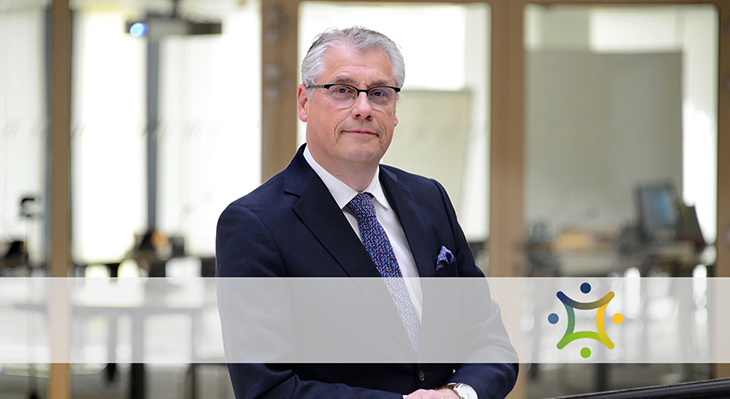
Vom 22. bis 24. April 2024 findet in Como in Italien das BILT Bridging Event „Towards Inclusive Excellence in TVET“ statt. Dies haben wir zum Anlass genommen, Alessandro Mele, den Präsidenten der Bildungseinrichtung Cometa, zu interviewen und Cometa vorzustellen.
In ihrem Gastbeitrag für die BIBB-Fachstelle überaus erläutert Carolin Kunert vom Berufsorientierungsprogramm BOP, wie die Verbindung von Reflexion und Handlungsorientierung zu mehr Erkenntnissen im Prozess der Beruflichen Orientierung führt.
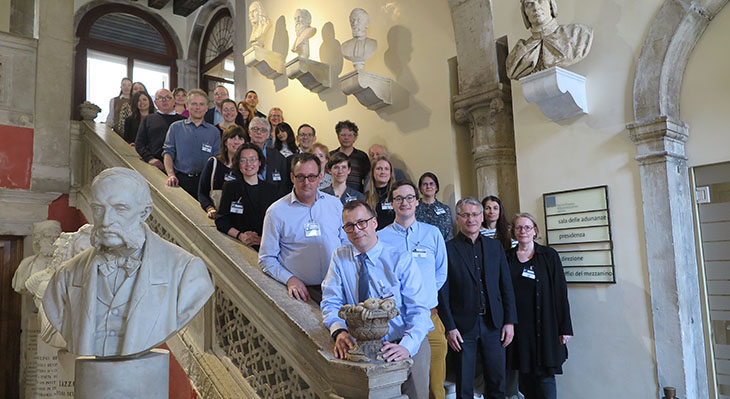
Im zweiten Jahr des durch die Europäische Kommission geförderten Forschungsprojekts „Matching Skills: Capabilities, Organisations and Institutions“, kurz „Skills2Capabilites“, fand am 11. und 12. April ein zweites Arbeitstreffen der Projektpartner in Venedig statt.
Über 5.000 Besucherinnen und Besucher strömten zum Stand der AlphaDekade auf der Leipziger Buchmesse, um sich über Erwachsene mit Lese- und Schreibschwierigkeiten zu informieren.
Für gelungene Aus- und Weiterbildung ist das betriebliche Bildungspersonal zentral. Das InnoVET-Projekt CLOU stärkt die Macher von Bildungsprozessen in Unternehmen der Chemie- und Pharmaindustrie mit zwei Weiterbildungen. Ihr Potenzial zum Transfer in andere Branchen und Bildungsgänge ist groß.
Vier neue Berufsbezeichnungen, aktualisierte Ausbildungsinhalte und neue Prüfungsanforderungen: Die Umsetzungshilfen der Reihe „Ausbildung gestalten“ geben umfangreiche Unterstützung bei der Umsetzung der aktuellen Ausbildungsordnung für Umwelttechnologinnen und Umwelttechnologen.
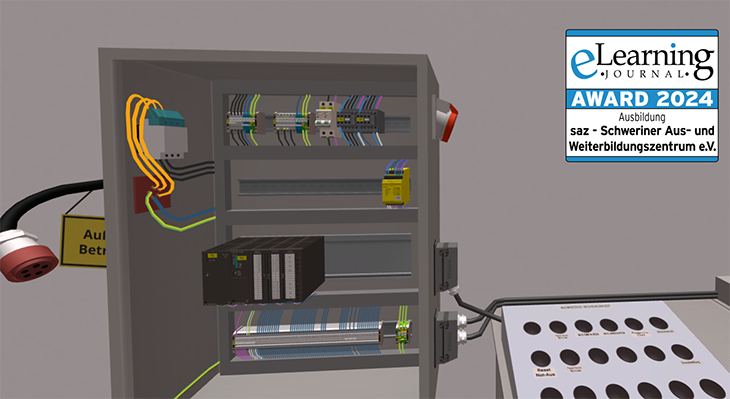
Bei der diesjährigen Verleihung des eLearning Awards wurde die im Projekt „ProMech-I“ entwickelte Virtual-Reality-Lernanwendung in der Kategorie „Ausbildung“ ausgezeichnet. Mit der VR-Anwendung können Auszubildende zum/zur Mechatroniker/-in ihre berufliche Handlungskompetenz praxisnah trainieren.
Im BIBB-Datensystem Auszubildende (DAZUBI) sind zwei neue Zusatztabellen zu ausländischen Auszubildenden, ihren Nationalitäten und Ausbildungsberufen in der dualen Berufsausbildung (BBiG/HwO) erschienen.
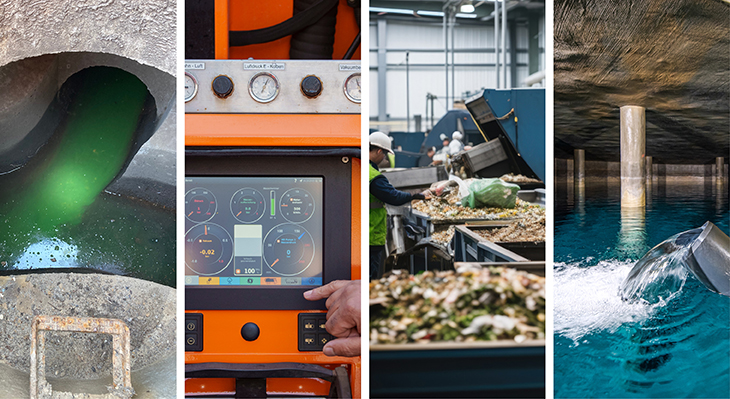
Der Internationale Weltwassertag am 22. März macht auf die Bedeutung des Wassers als Lebensgrundlage aufmerksam. Entlang des Wasserkreislaufs gibt es im dualen Berufsbildungssystem spannende und vielseitige Ausbildungsberufe mit interessanten Weiterentwicklungsmöglichkeiten.
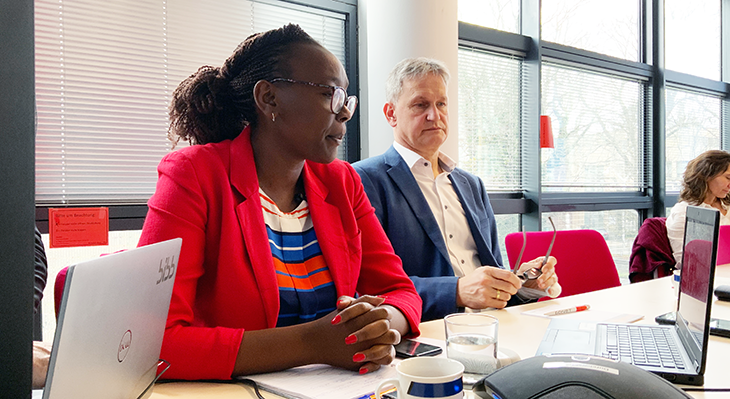
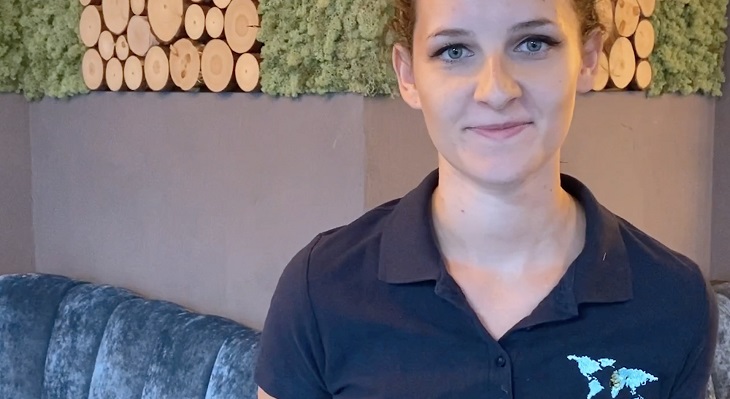
Eine Woche lang blickte Esther Ndichu in den Arbeitsalltag des Bundesinstituts für Berufsbildung (BIBB). Ihre Hospitation ist Teil des Studiengangs "Vocational Education and Innovation" der TU München, in dem sie von Dr. Ralf Hermann, GOVET, als Mentor begleitet wird.
Erhalten Sie einen Überblick über die Förderung der überbetrieblichen Berufsbildungsstätten (ÜBS) im BIBB und lernen spielend leicht mehr über die Welt der ÜBS mit unserem ÜBS-Quiz!
Mit dem Start der Förderrichtlinie „Berufliche Orientierung für Personen mit Flucht- und Migrationserfahrung (BOFplus)“ fördert das Bundesministerium für Bildung und Forschung Kurse, in denen Zugewanderte schrittweise auf eine Ausbildung oder Qualifizierung vorbereitet werden.
Mit KI und VR gegen den Fachkräftemangel: Weiterbildungsinteressierte können bis zum 29. März beim INVITE-ToolCheck 2.0 mitmachen. Die Teilnehmenden testen selbst live Prototypen der beruflichen Weiterbildung und tragen so zu deren Weiterentwicklung und besseren Nutzerorientierung bei.
Was unter Weiterbildung verstanden wird und wie Weiterbildungsaktivitäten erfasst und differenziert werden, ist in den einschlägigen Erhebungen höchst unterschiedlich. Die Publikation liefert eine Zusammenschau und Gegenüberstellung der Erhebungskonstrukte und zusätzlicher Differenzierungsmerkmale, wobei ein Augenmerk auf der beruflichen Weiterbildung liegt.
Der Bericht der wbmonitor-Umfrage 2022 beschreibt aktuelle Veränderungen auf dem Weiterbildungsmarkt. Eine zentrale Rolle spielten die Folgen der zunehmenden Digitalisierung in der Weiterbildung sowie weitere Entwicklungen wie die hohe Inflation zum Befragungszeitpunkt und deren Auswirkungen. Auch der Fachkräftemangel in der Weiterbildung wurde thematisiert.
Die Anzahl ausbildungssuchender Jugendlicher ist seit Jahren rückläufig, was es für mehr und mehr Betriebe zu einer Herausforderung werden lässt, die angebotenen Ausbildungsplätze zu besetzen. Das wirft die Frage auf, wie Betriebe vorgehen, um Ausbildungsplatzbewerber/-innen für sich zu gewinnen.
Start-ups in der Berufspraxis: Personalstruktur und Fachkräftenachfrage
Die Studie untersucht, in welchen Berufen Arbeitsplätze in Start-ups geschaffen werden und mit welchen Qualifikations- und Kompetenzanforderungen diese Arbeitsplätze einhergehen.